The Interplay Between Instant Payout Protocols and Diverse Incentive Mechanisms Across Registration-Free Mobile Platforms Using Hybrid Transaction Options
Kirjoittanut Wendy Neumann · 23.8.2026
The Interplay Between Instant Payout Protocols and Diverse Incentive Mechanisms Across Registration-Free Mobile Platforms Using Hybrid Transaction Options
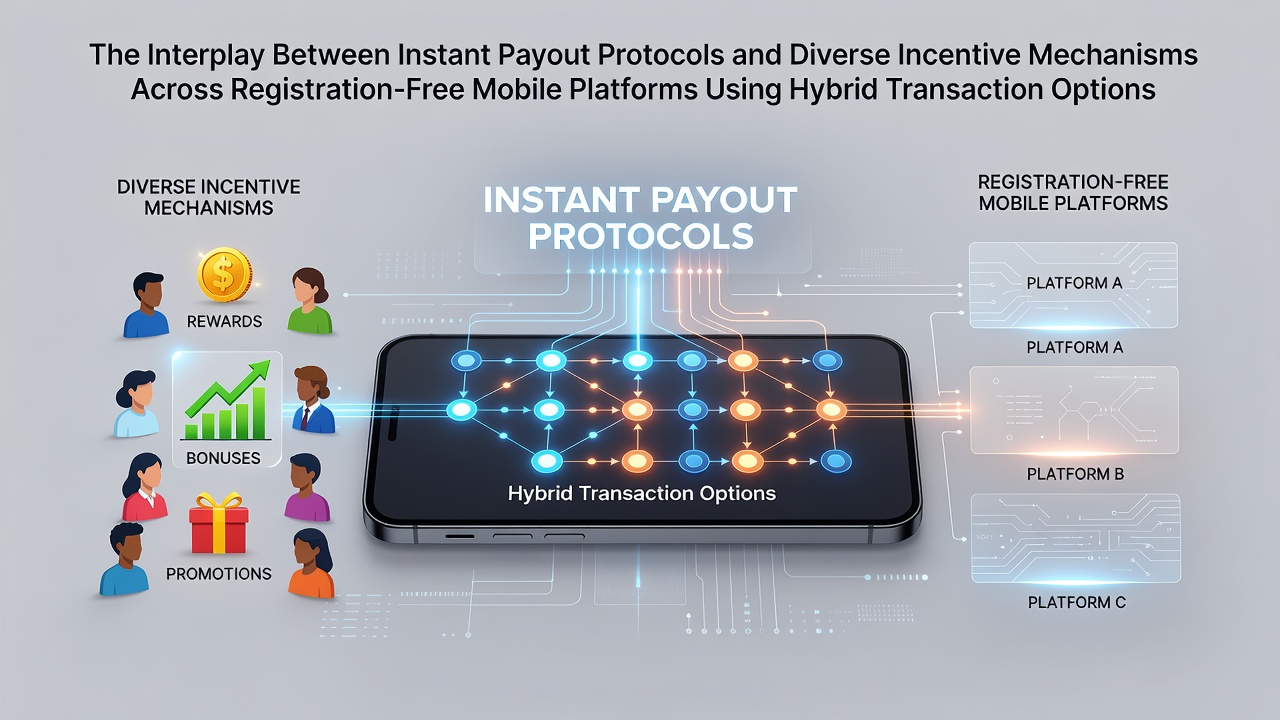
Registration-free mobile platforms allow users to access services through biometric verification or single-session tokens rather than traditional account creation, and these systems pair with instant payout protocols that settle transactions in seconds while incorporating hybrid transaction options that blend bank transfers, digital wallets, and tokenized assets. Diverse incentive mechanisms such as tiered rewards, dynamic cashback rates, and usage-based credits activate automatically upon transaction completion, creating direct connections between user actions and immediate financial returns. Observers note that this setup reduces friction points that once delayed rewards by hours or days, and data from payment network reports indicate higher repeat engagement rates when settlement times drop below ten seconds.
Core Components of Registration-Free Access
Mobile platforms eliminate mandatory sign-up forms by relying on device-level authentication combined with temporary session identifiers that expire after inactivity, yet they maintain compliance with anti-money laundering checks through backend analytics that flag unusual patterns without interrupting the user flow. Hybrid transaction options enter the process when a user selects a payout method at the moment of reward claim, allowing the system to route funds through whichever channel offers the fastest confirmation for that specific amount and region. Researchers at institutions tracking digital finance have documented that such flexibility supports cross-border users who switch between local bank rails and international stablecoin networks depending on daily exchange conditions.
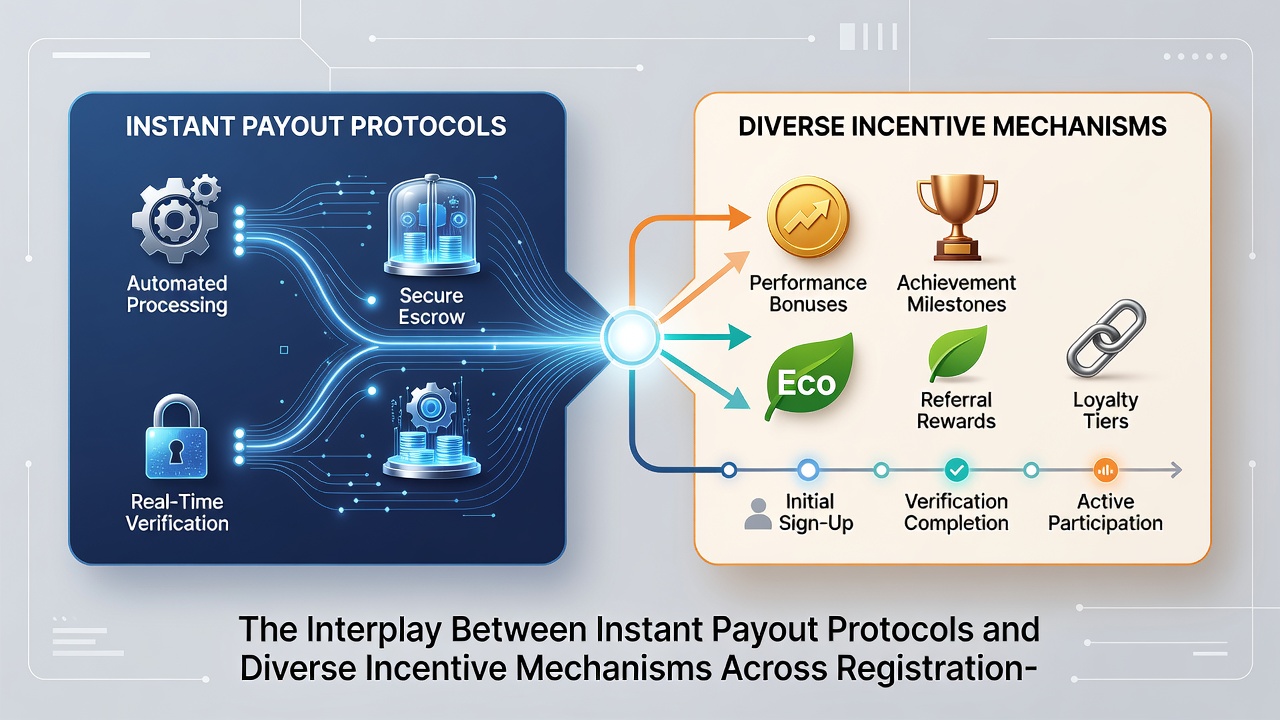
Instant payout protocols operate on real-time gross settlement rails or layer-two confirmation layers that finalize transfers without batching delays, and these protocols integrate with incentive engines that calculate rewards based on transaction volume, frequency, and risk profile. The calculation occurs server-side before the payout request even reaches the chosen hybrid channel, so the credited amount appears in the user's selected wallet or account at the same moment the protocol confirms the outgoing transfer. Figures from industry monitoring groups reveal that platforms adopting this simultaneous calculation and settlement approach see average session lengths increase by measurable margins compared with systems that separate reward issuance from fund movement.
Mechanics of Incentive Activation and Payout Timing
Diverse incentive mechanisms function through rule sets that trigger on predefined events such as first-time service use, milestone completions, or peer referrals, and each rule set links directly to the instant payout protocol so that the reward value transfers without requiring the user to navigate additional menus. When a hybrid transaction option is active, the platform evaluates network fees and liquidity across available channels in milliseconds before selecting the route that delivers the net amount fastest. Studies from academic centers focused on financial technology have shown that users presented with transparent fee previews during this evaluation step complete more reward claims overall, because the system displays the final credited figure before confirmation rather than after.
One study revealed that registration-free environments using these combined features recorded lower abandonment rates at the payout stage, since the absence of account login steps removes password resets or verification emails that previously interrupted the reward loop. Data collected across multiple regions indicates that hybrid options incorporating both traditional banking and alternative digital asset rails expand the geographic reach of incentives, allowing platforms to serve users in markets where one channel faces temporary restrictions while another remains operational. Regulatory updates scheduled for implementation around August 2026 in several jurisdictions are expected to standardize disclosure requirements for these hybrid routes, requiring platforms to list estimated arrival times for each option before the user commits to a selection.
Integration Patterns Across Platforms
Platforms achieve seamless interplay by embedding payout protocol APIs inside the incentive management layer, so every reward rule carries metadata that specifies compatible transaction types and minimum settlement thresholds. This architecture permits dynamic adjustment of incentive values based on real-time channel performance; for instance, if one hybrid route experiences congestion, the system can increase the reward slightly on a faster alternative to maintain user satisfaction. Government agencies in Canada and Australia have published guidance documents that emphasize consumer protection measures around such automated adjustments, requiring clear display of any value changes before final confirmation.
Take one research team that examined transaction logs from registration-free services and found that combining instant protocols with multi-channel incentives reduced average time between action and reward receipt from minutes to under five seconds in optimized cases. The same logs showed that users who experienced these rapid cycles returned to the platform at higher frequencies within the following twenty-four hours, although the study controlled for external variables such as promotional campaigns running concurrently. Industry associations tracking digital commerce have begun compiling comparative datasets that allow platforms to benchmark their own settlement speeds against regional averages published quarterly.
Developments Anticipated by August 2026
As platforms prepare for regulatory shifts expected in August 2026, many are testing enhanced hybrid options that incorporate programmable settlement conditions tied to incentive eligibility, ensuring rewards only finalize once both the transaction and any attached conditions are verified. These tests involve collaboration with payment processors that support conditional release of funds, a feature that adds an extra layer of security without extending the overall settlement window beyond current instant standards. Observers note that such programmable features align with broader efforts by international bodies to harmonize rules for real-time payments across borders.
Conclusion
The documented connections between instant payout protocols, diverse incentive mechanisms, and hybrid transaction options demonstrate measurable impacts on user retention and transaction volume within registration-free mobile platforms. Evidence from regulatory reports, academic analyses, and industry datasets continues to track how these elements interact under evolving technical and legal conditions, with particular attention directed toward developments unfolding by August 2026. Platforms that maintain transparent integration of these components position themselves to meet both user expectations and forthcoming compliance standards across multiple regions.